Nothing moves without a record.
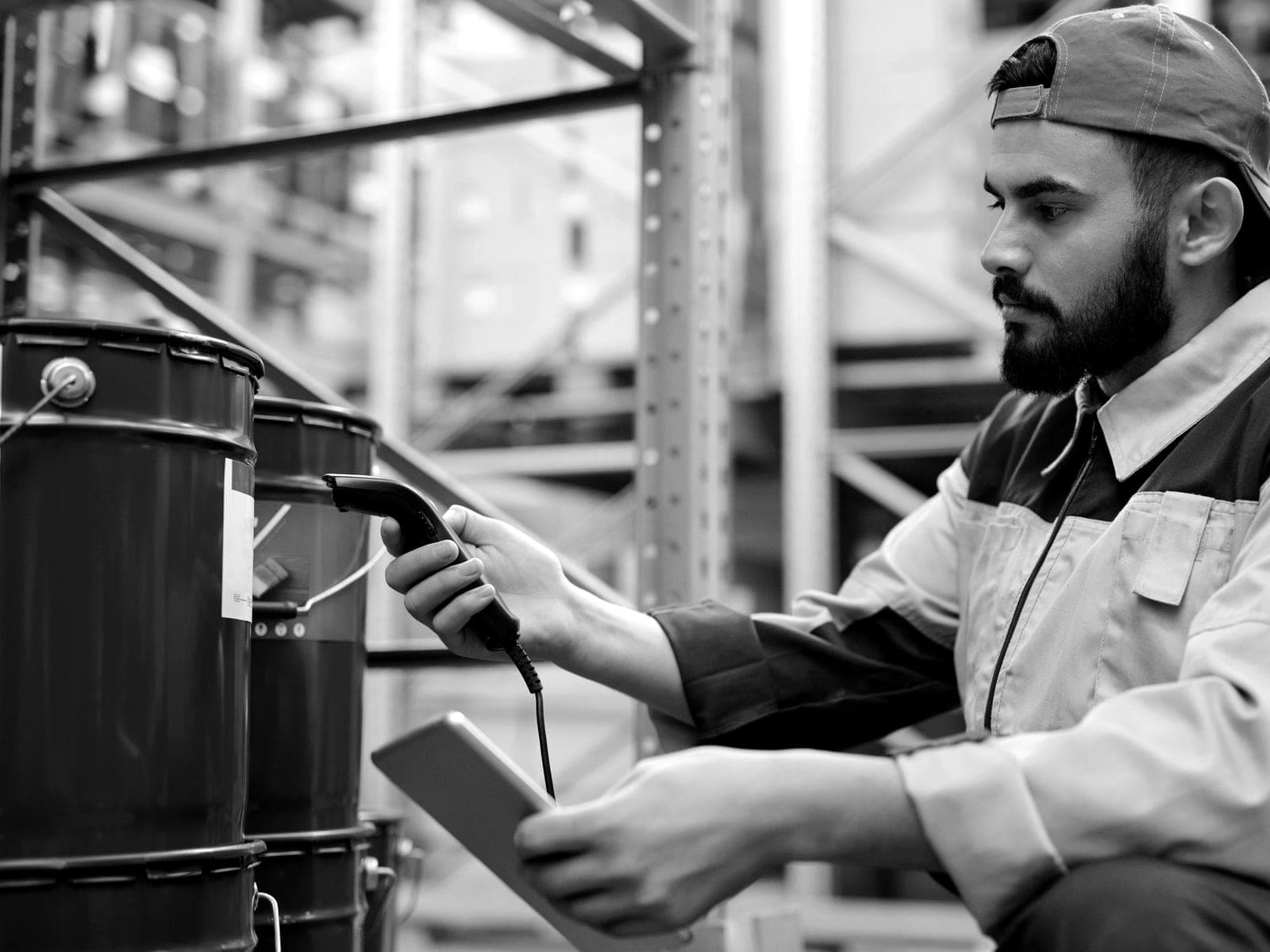
Catch incomplete purchase orders on delivery.
Supplier barcodes scan against the purchase order, and the shortage raises on the PO line at the dock.
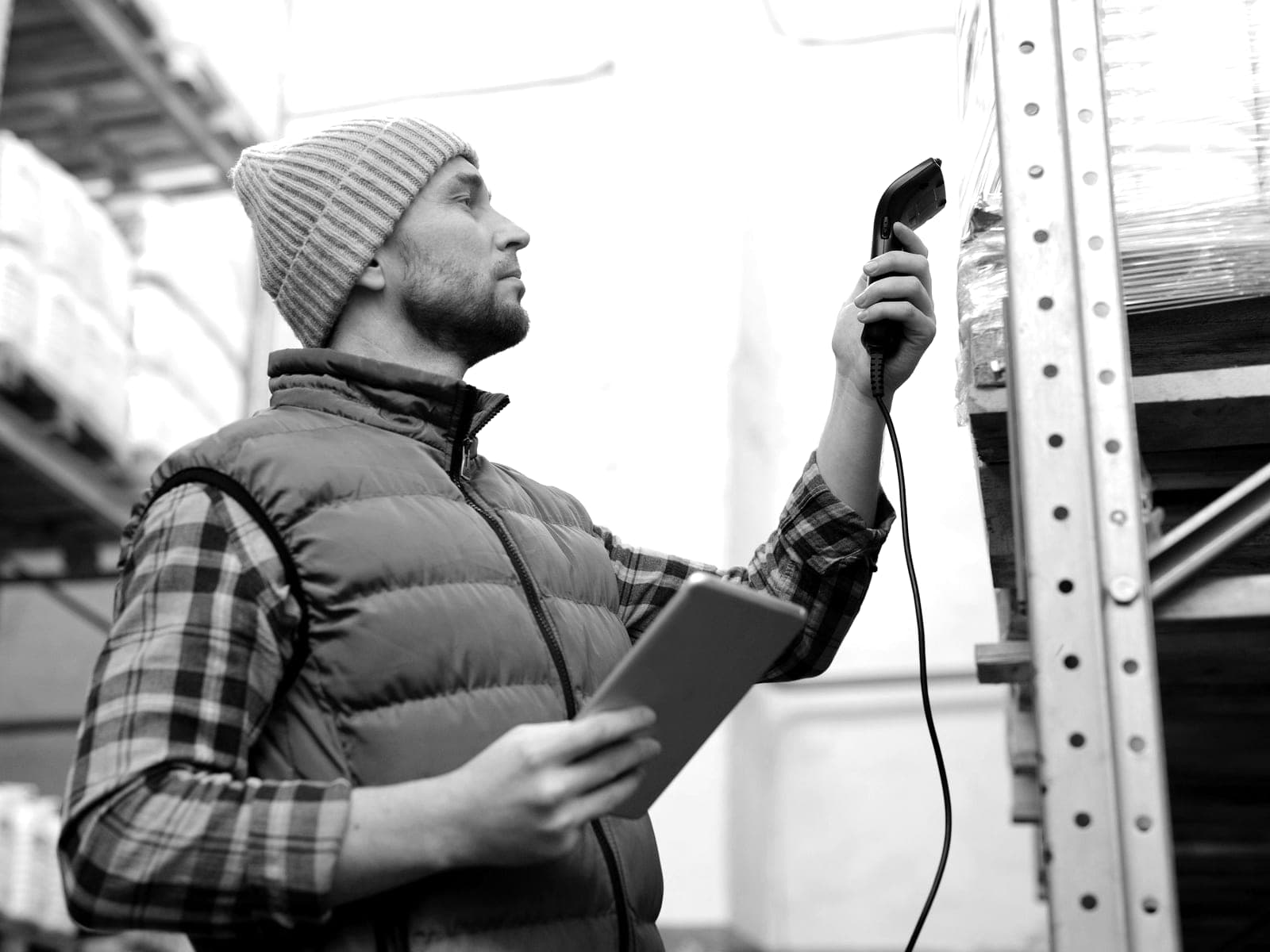
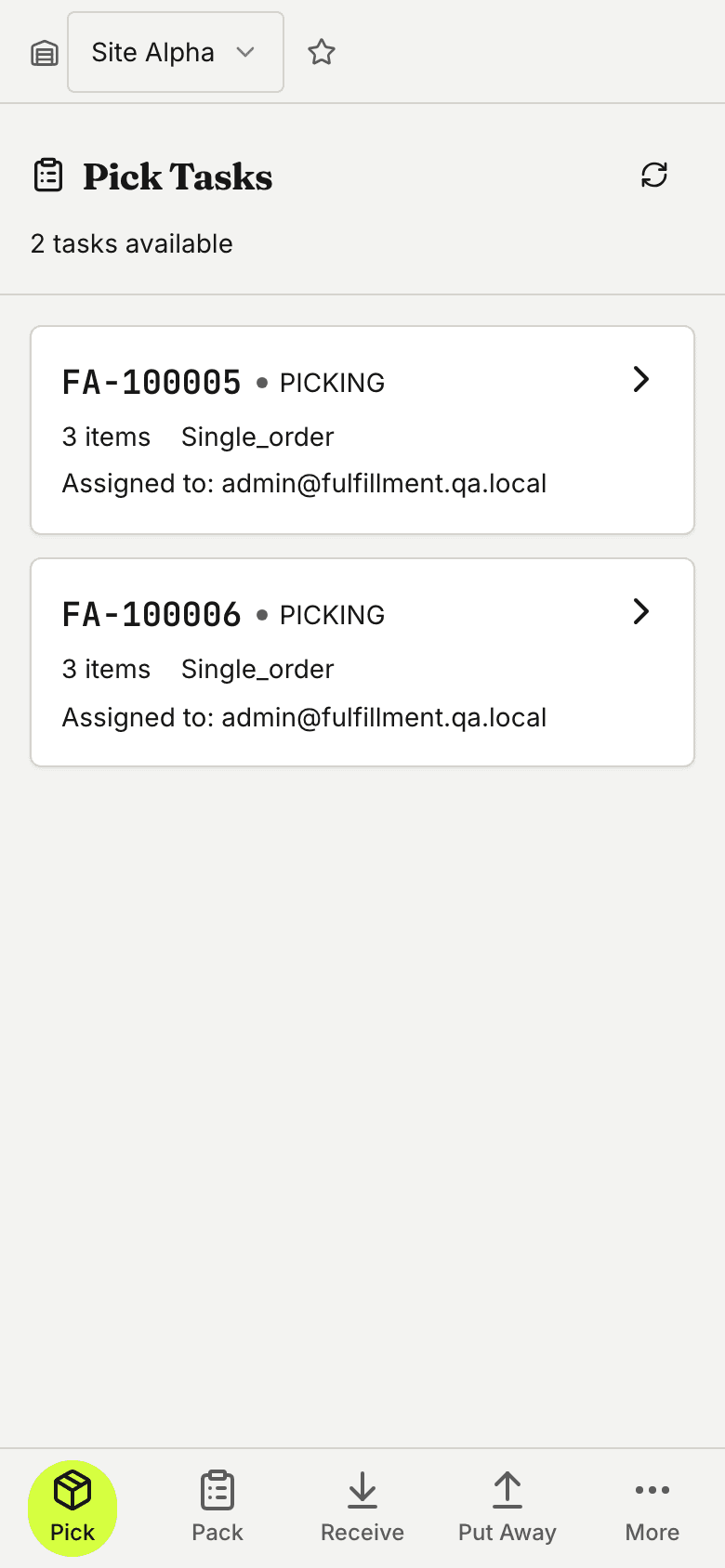
Pickers are told exactly which unit to take.
Queues route the floor in bin order, and FEFO is enforced at the line rather than left to the picker.
Multi-store
Multi-channel orders feed one pick queue.
Every connected store keeps its own orders, stock buffer and fulfillment identity, while the floor works a single merged wave.


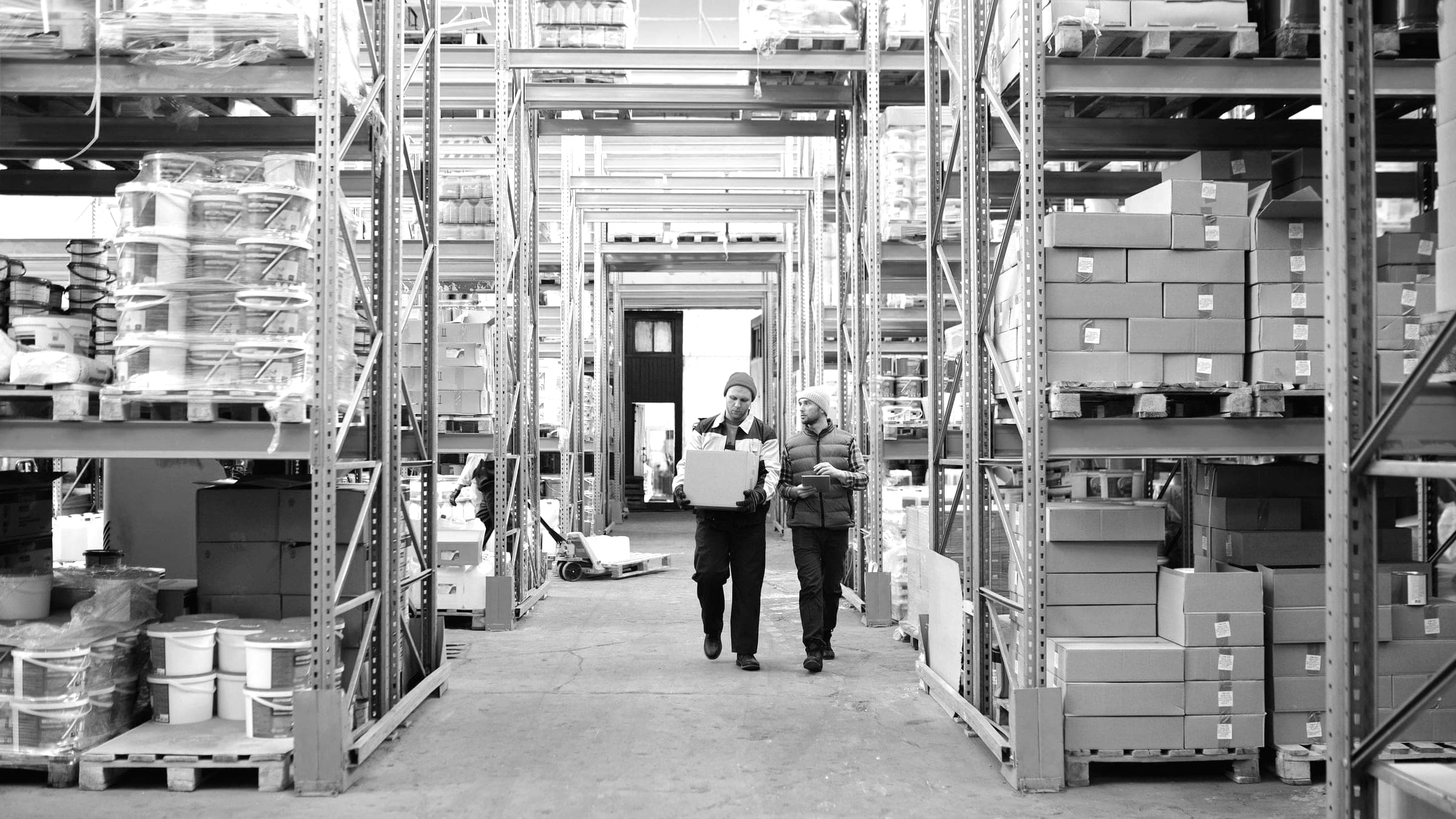
No risk of pickers grabbing the same unit.
WHY THAT HOLDS
- CONCURRENCY
- Stock locks at the row while it is allocated, so two pickers cannot both be given the last unit.
- DURABILITY
- Channel updates run on a queue that retries. A store that is down at dispatch still receives the tracking number.
- AUDIT
- Nothing changes stock without writing a ledger entry, so any figure on screen can be reconstructed.
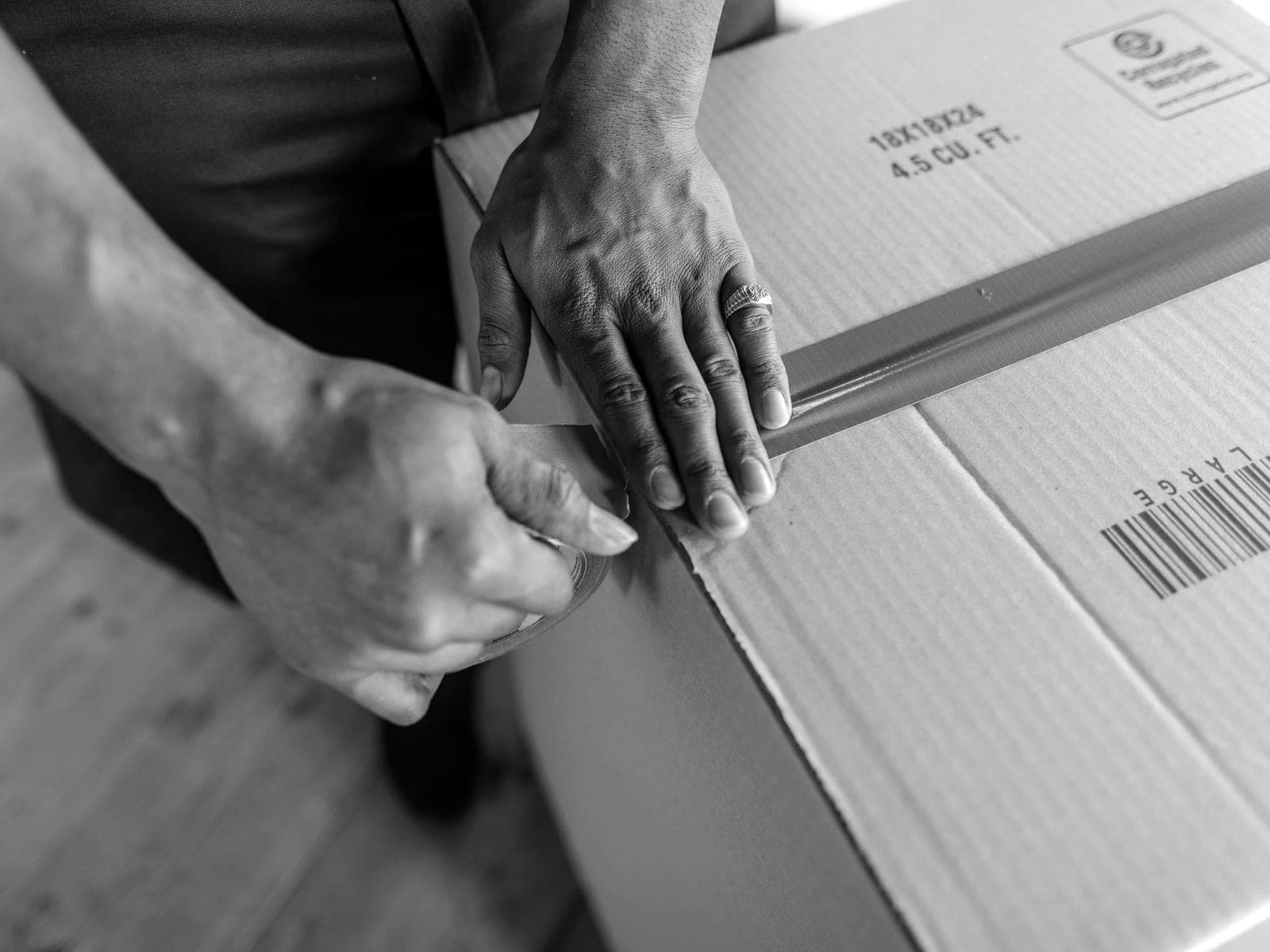
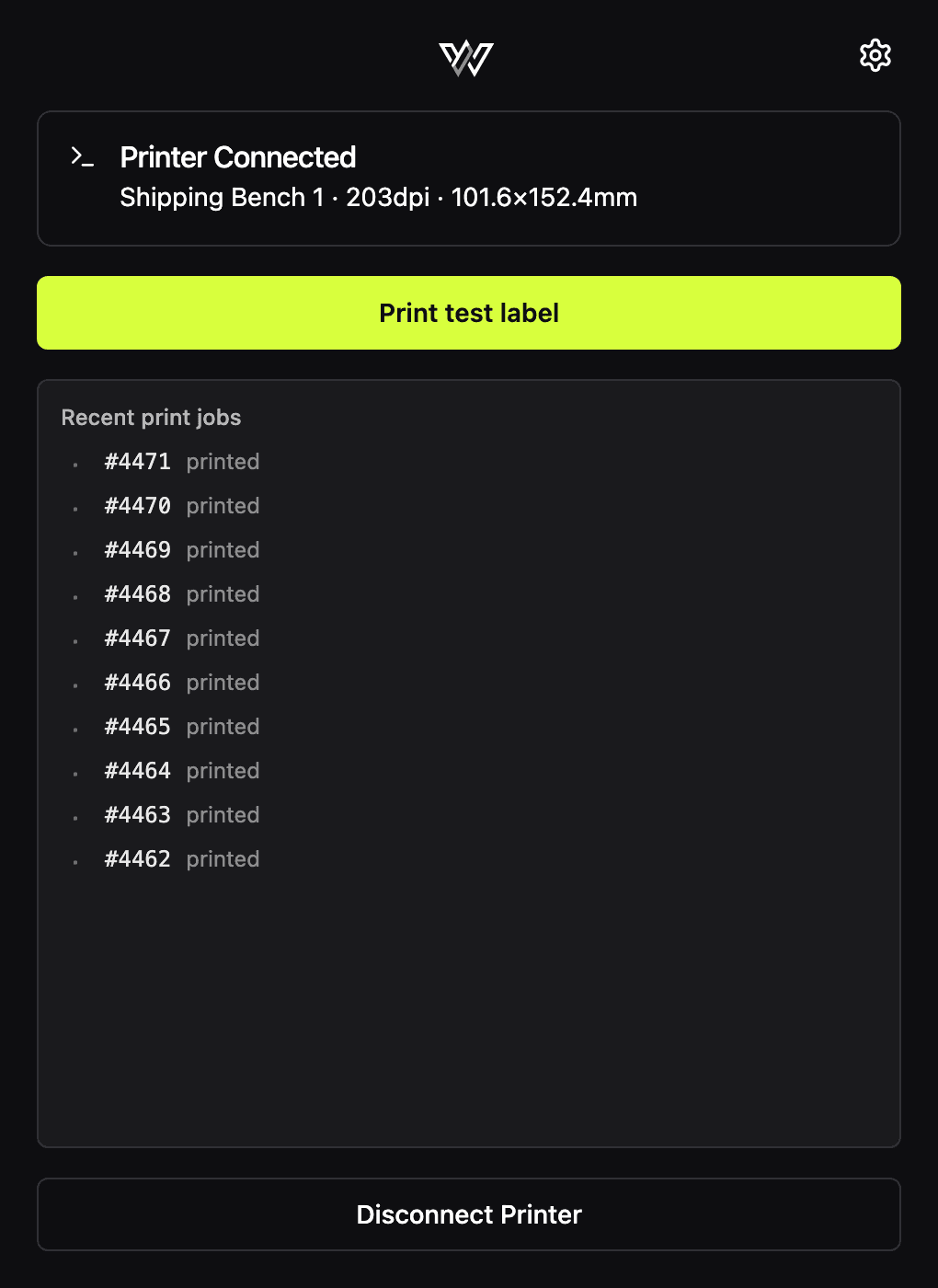
Labels print on your own carrier accounts.
On your own carrier accounts, through a carrier aggregator, or via your own integration on the open API. Print Hub keeps every thermal printer fed.
Tracking reaches the order before the van leaves.
Pushed back to whichever channel sold it, on a queue that retries if the store is down.
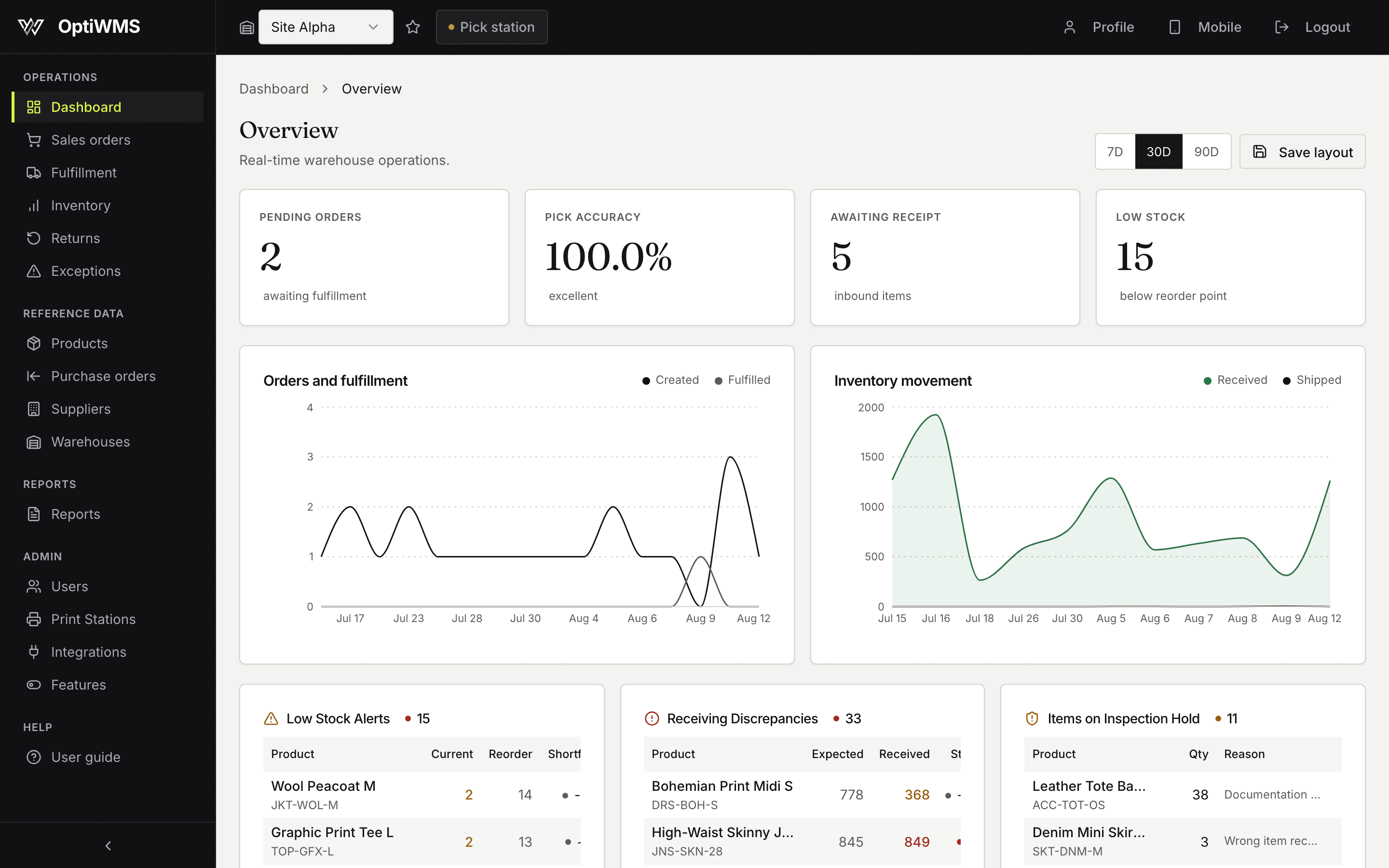
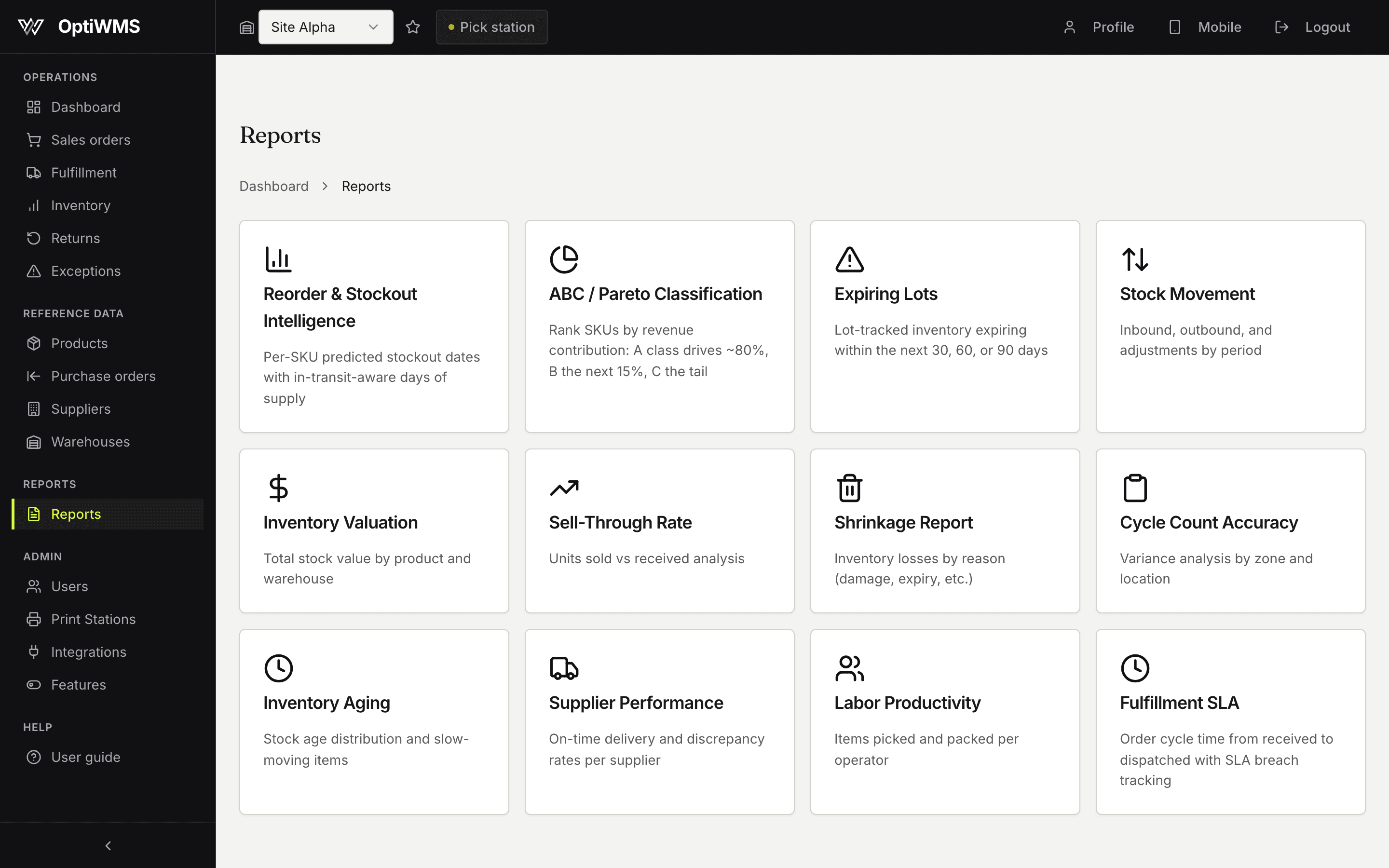
Every number traces back to a movement.
Cycle counts run by zone against a ledger that records the operator and the timestamp.
Why this exists
Most warehouse management systems are capable, restrictive, and miserable to use. They dictate how a floor has to run, and the people doing the picking absorb the cost.
See it running on your own catalog.
We set up a sandbox with seeded inventory, open orders and a connected store, so you can run the full pick, pack and print cycle before committing anything.